Your Ultimate Guide to Shopify Dropshipping Success in 2026
The year is 2026, and the e-commerce landscape is more competitive than ever. But don't let that discourage you! Dropshipping, when done right, remains a viable and profitable business model. This guide provides a detailed, step-by-step approach to launching a successful Shopify dropshipping store in today's dynamic market.
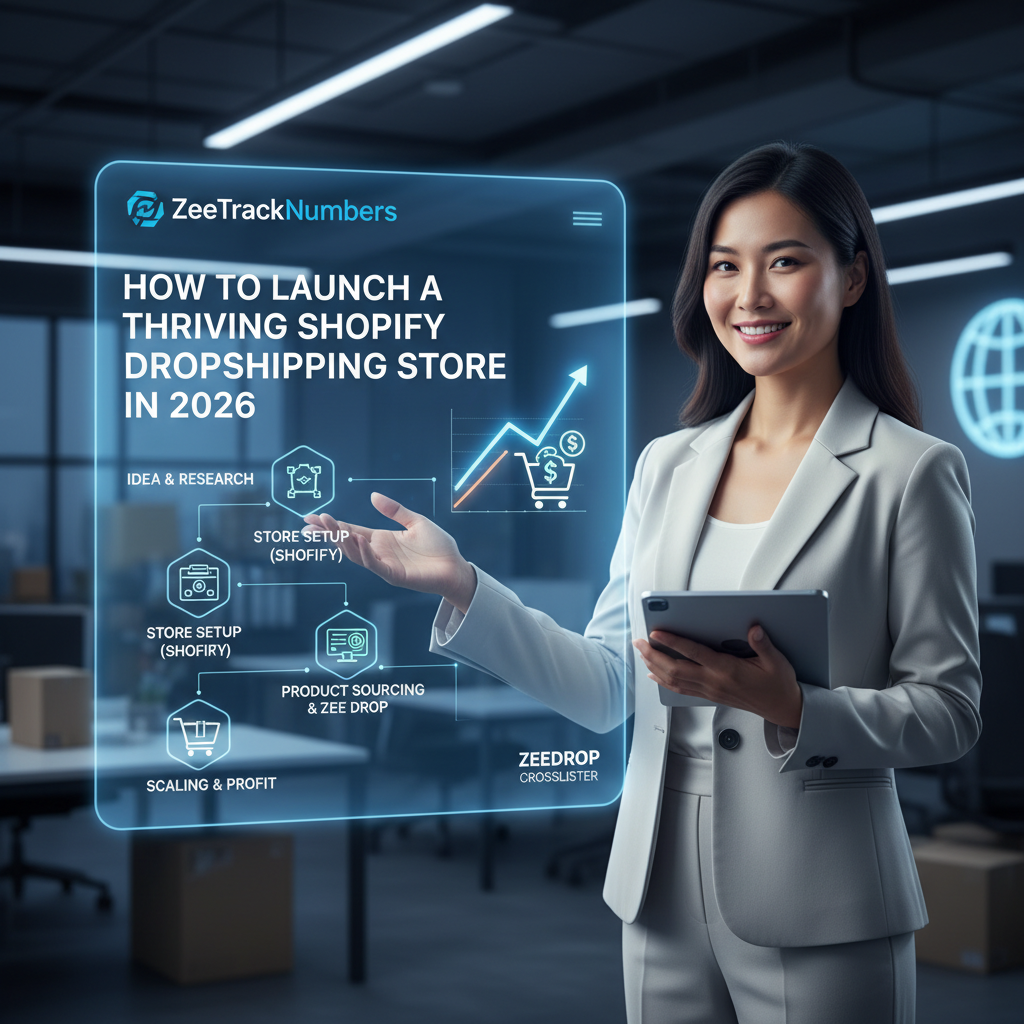
Step 1: Niche Selection - Finding Your Winning Product Category
Choosing the right niche is paramount. Avoid overly saturated markets and focus on identifying underserved needs or emerging trends. Here's how to approach niche selection in 2026:
- Market Research is Key: Utilize advanced AI-powered market research tools (widely available in 2026) to analyze trending products, search volumes, and competitor activity. Look for niches with high demand and low competition.
- Passion and Expertise: Ideally, your niche should align with your interests and knowledge. This will make content creation and customer service more authentic and engaging.
- Problem-Solving Products: Focus on products that solve a specific problem or fulfill a particular need for your target audience. These products tend to have higher conversion rates.
- Consider Sustainability: Eco-conscious consumers are a growing force. Explore niches focused on sustainable, ethically sourced products.
- Future-Proofing: Think long-term. Will your chosen niche remain relevant in the coming years? Avoid fleeting trends and focus on enduring needs.
Example Niche Ideas for 2026: Smart home accessories for aging in place, personalized pet health solutions, sustainable urban gardening supplies, or immersive VR gaming peripherals.
Step 2: Supplier Selection - Partnering for Success
Your suppliers are the backbone of your dropshipping business. Choose them wisely. Here's what to look for:
- Reliability and Reputation: Thoroughly vet potential suppliers. Read reviews, check their ratings, and contact them directly to assess their responsiveness and professionalism.
- Product Quality: Order samples to evaluate the quality of their products firsthand. Don't compromise on quality, as it directly impacts your brand reputation.
- Shipping Times and Costs: Fast and affordable shipping is crucial. Negotiate favorable shipping rates and ensure your suppliers can meet your delivery expectations.
- Inventory Management: Choose suppliers with robust inventory management systems to avoid stockouts and delays. Real-time inventory updates are essential.
- Customer Service: Your supplier's customer service reflects on your business. Ensure they offer prompt and helpful support.
- Automation Capabilities: Look for suppliers that offer seamless integration with Shopify and automated order processing.
Popular Dropshipping Supplier Platforms in 2026: While AliExpress remains a popular option, explore specialized platforms that cater to specific niches and offer higher-quality products and faster shipping times. Consider local suppliers for faster delivery within your region.
Step 3: Setting Up Your Shopify Store - Creating a User-Friendly Experience
Your Shopify store is your online storefront. Make it visually appealing, easy to navigate, and optimized for conversions.
- Choose a Professional Theme: Select a Shopify theme that aligns with your brand and niche. Ensure it's mobile-responsive and optimized for speed.
- High-Quality Product Images and Descriptions: Use professional-grade images and write compelling product descriptions that highlight the benefits and features of your products.
- Easy Navigation: Organize your products into clear categories and subcategories. Implement a robust search function to help customers find what they're looking for.
- Secure Payment Gateway: Integrate a secure payment gateway to protect your customers' financial information. Offer multiple payment options for convenience.
- Clear Shipping and Return Policies: Clearly outline your shipping and return policies to build trust and transparency.
- Mobile Optimization: Ensure your store is fully optimized for mobile devices, as a significant portion of online shopping occurs on smartphones and tablets.
- Leverage AI-Powered Personalization: Implement AI-driven personalization tools to recommend products based on customer browsing history and purchase behavior.
Step 4: Marketing Your Store - Driving Traffic and Sales
Even the best store won't succeed without effective marketing. Here's how to drive traffic and generate sales in 2026:
- Search Engine Optimization (SEO): Optimize your website and product pages for relevant keywords to improve your search engine rankings. Focus on long-tail keywords and local SEO.
- Social Media Marketing: Build a strong social media presence on platforms relevant to your target audience. Create engaging content, run targeted ads, and interact with your followers.
- Influencer Marketing: Partner with relevant influencers to promote your products to their followers. Choose influencers whose audience aligns with your target market.
- Paid Advertising: Utilize paid advertising platforms like Google Ads and social media ads to reach a wider audience. Target your ads based on demographics, interests, and behavior.
- Email Marketing: Build an email list and send regular newsletters and promotional emails to your subscribers. Segment your list to personalize your messaging.
- Content Marketing: Create valuable and informative content, such as blog posts, articles, and videos, to attract and engage your target audience.
- Leverage Augmented Reality (AR): Integrate AR features into your store to allow customers to virtually try on or visualize products before making a purchase.
Step 5: Customer Service - Building Loyalty and Trust
Exceptional customer service is crucial for building loyalty and generating repeat business.
- Prompt and Helpful Responses: Respond to customer inquiries promptly and professionally. Provide helpful and accurate information.
- Personalized Support: Treat each customer as an individual and personalize your interactions.
- Proactive Communication: Keep customers informed about the status of their orders and address any issues proactively.
- Easy Returns and Refunds: Offer a hassle-free return and refund process to build trust and confidence.
- Utilize AI-Powered Chatbots: Implement AI-powered chatbots to provide instant support and answer frequently asked questions.
- Gather Feedback: Actively solicit customer feedback and use it to improve your products and services.
Step 6: Scaling Your Business - Expanding Your Reach and Profitability
Once you've established a successful dropshipping store, it's time to scale your business.
- Expand Your Product Line: Add new products to your store to cater to a wider range of customer needs.
- Explore New Marketing Channels: Experiment with different marketing channels to reach new audiences.
- Optimize Your Operations: Streamline your processes and automate tasks to improve efficiency.
- Build a Brand: Focus on building a strong brand identity to differentiate yourself from the competition.
- Consider Private Labeling: Explore private labeling to offer unique products and increase your profit margins.
- International Expansion: Expand your business to new international markets to reach a global audience.
Staying Ahead of the Curve in 2026
The e-commerce landscape is constantly evolving. To stay ahead of the curve, you need to:
- Embrace New Technologies: Stay up-to-date on the latest technologies, such as AI, AR, and VR, and explore how they can enhance your business.
- Adapt to Changing Consumer Preferences: Monitor consumer trends and adapt your products and marketing strategies accordingly.
- Focus on Sustainability: Prioritize sustainable practices to appeal to eco-conscious consumers.
- Continuously Learn and Improve: Never stop learning and experimenting. Continuously analyze your results and make adjustments to improve your performance.
By following these steps and staying adaptable, you can launch a thriving Shopify dropshipping store in 2026 and achieve long-term success in the competitive e-commerce market.
