If you're an online seller, eBay entrepreneur, dropshipper, or e-commerce store owner, you know the feeling: a mountain of tasks that never seems to shrink. From processing orders and printing labels to updating tracking numbers and answering buyer questions, it's easy to get bogged down in manual work. This constant churn not only eats up your time but also opens the door to mistakes, delays, and frustrated customers.
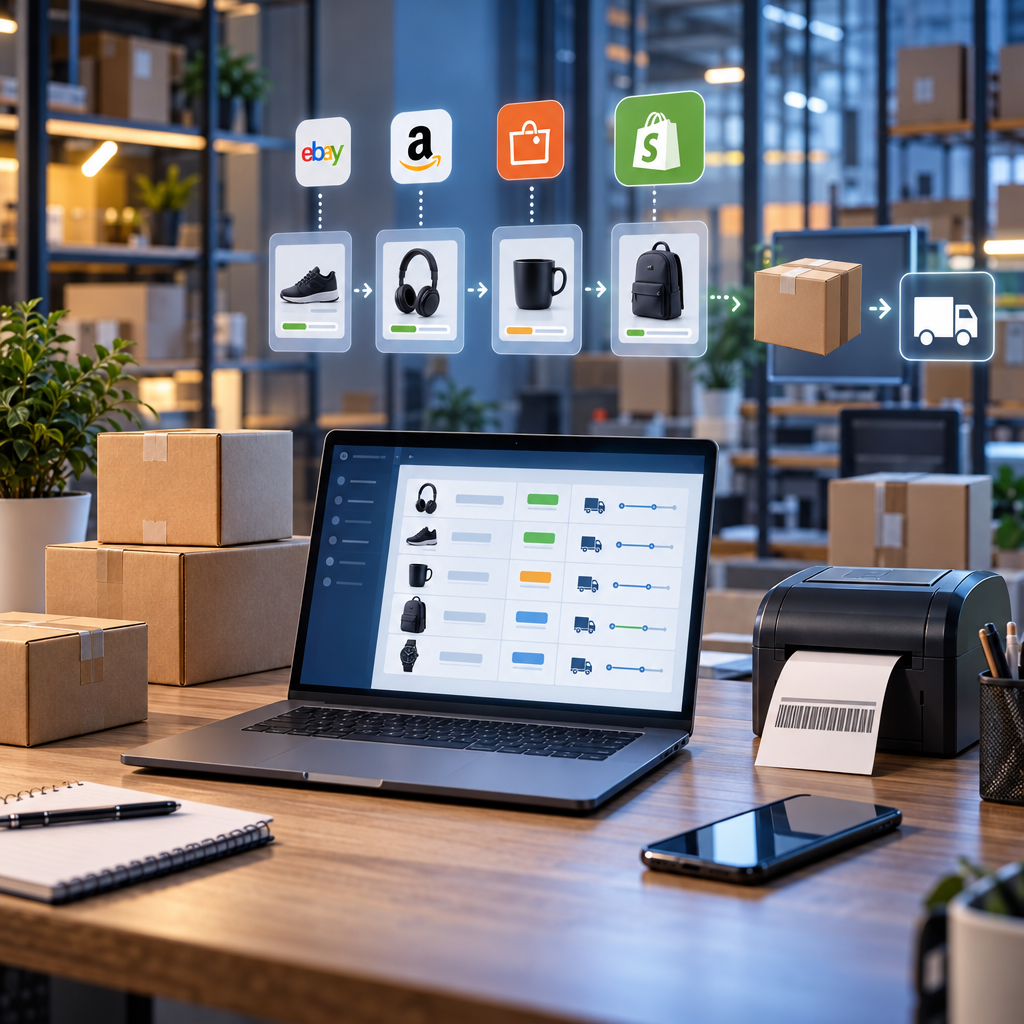
The good news is that you don't need a complex, enterprise-level system to regain control. What you need are practical, straightforward ways to track your tasks, especially those critical to shipping and order fulfillment. Implementing effective task tracking can transform your daily operations from chaotic to streamlined, giving you back precious time and improving your overall efficiency.
It’s about making every step visible, accountable, and manageable, ensuring nothing falls through the cracks. Let's explore how simple task tracking can be your secret weapon for a smoother, more profitable online selling business.
Why Online Sellers Need Better Task Tracking in Their Workflows
The life of an online seller is a constant balancing act. You're not just selling products; you're managing inventory, handling customer service, marketing, and, crucially, making sure every order gets from point A to point B smoothly. Without a clear system for tracking tasks, especially those related to shipping and fulfillment, several common bottlenecks can quickly derail your operations:
- Time Drain from Manual Work: Copying and pasting tracking numbers, manually updating order statuses, or sifting through emails to find shipping details consumes hours that could be spent growing your business.
- Increased Errors and Miscommunications: When tasks aren't clearly defined or tracked, it's easy to miss a step, send the wrong item, or provide outdated information to a buyer. These errors lead to disputes, returns, and negative feedback.
- Difficulty Scaling: As your sales grow, so does your workload. A manual system that barely copes with 10 orders a day will collapse under 100, preventing you from expanding efficiently.
- Lack of Visibility: Without tracking, it’s hard to know exactly where each order stands, which tasks are pending, or who is responsible for what (if you have a team). This lack of oversight makes it impossible to identify and fix inefficiencies.
This is where effective task tracking becomes indispensable. It’s not just about ticking boxes; it’s about creating a transparent, repeatable process that minimizes manual effort and maximizes accuracy. For online sellers, particularly those dealing with a high volume of transactions, a structured approach to tracking tasks can be the difference between feeling overwhelmed and feeling in control. This is the core problem that solutions like those offered by ZeeTrackNumbers aim to solve, by streamlining the often complex world of tracking numbers and shipping workflows.
Key Areas for Task Tracking in Shipping and Order Fulfillment
To truly streamline your operations, you need to identify the specific tasks within your shipping and order fulfillment process that will benefit most from tracking. These are often the repetitive, detail-oriented steps where errors are most likely to occur. Here are some critical areas:
- Order Processing & Verification:
- Confirming order details (items, quantity, shipping address).
- Checking stock availability.
- Processing payments.
- Packaging & Labeling:
- Picking and packing items.
- Generating shipping labels.
- Attaching labels and necessary documentation.
- Tracking Number Management:
- Obtaining tracking numbers from carriers.
- Updating tracking numbers on your sales platform (eBay, Shopify, etc.).
- Notifying buyers of their tracking information.
- Shipping & Delivery Monitoring:
- Confirming shipment dispatch.
- Proactively monitoring delivery status for potential issues.
- Handling delivery exceptions or delays.
- Buyer Communication:
- Responding to "Where's my order?" inquiries.
- Sending automated or manual delivery updates.
- Resolving post-delivery issues.
By breaking down your workflow into these granular tasks and actively tracking their completion, you gain immense clarity. You'll know exactly which orders are waiting to be packed, which need tracking numbers uploaded, and which customers require an update. This level of organization is crucial for maintaining high standards and keeping buyers informed, which is a cornerstone of positive customer experience.
💡
Practical Tip: Start Small
Don't try to track every single micro-task at once. Begin by focusing on the 2-3 most problematic steps in your shipping or order fulfillment process. Once you've successfully implemented tracking for these, you can gradually expand to other areas. This phased approach prevents overwhelm and ensures sustainable change.
Simple Strategies for Implementing Effective Task Tracking
Effective task tracking doesn't mean investing in expensive, overly complicated software. Many online sellers thrive using straightforward, practical methods. The key is consistency and choosing a tool that fits your current business scale and technical comfort level.
Here are some simple strategies:
- Spreadsheets (Google Sheets/Excel): A basic spreadsheet can be incredibly powerful. Create columns for "Order ID," "Customer Name," "Item(s)," "Shipping Carrier," "Tracking Number," "Status (e.g., Packed, Shipped, Delivered)," and "Notes." Update it regularly. This method is free, flexible, and easy to customize.
- Simple Project Management Tools: Tools like Trello, Asana (free tiers available), or even a personal Kanban board can visualize your workflow. Each card can represent an order, moving through columns like "New Order," "Packing," "Awaiting Tracking," "Shipped," "Completed."
- Built-in E-commerce Platform Features: Many platforms like Shopify, eBay, or Etsy have basic order management and status tracking built-in. Make sure you're fully utilizing these features before looking elsewhere.
- Specialized Workflow Tools: For tasks like managing tracking numbers and automating updates, specialized tools can be a game-changer. These are designed to integrate with your existing platforms and automatically handle the repetitive data entry, saving significant time. The focus here is on practical automation that doesn't require deep technical knowledge.
The goal is to reduce manual intervention and improve clarity. Whatever method you choose, make sure it's something you can commit to daily. The best system is the one you actually use.
The Impact of Organized Task Tracking on Buyer Communication and Efficiency
Beyond internal organization, consistent task tracking has a profound impact on your customer relationships and overall business efficiency. When you know exactly where every order is in its journey, you can communicate proactively and confidently with your buyers.
Consider these benefits:
- Reduced "Where's My Order?" Inquiries: By providing accurate tracking information and timely updates, you preempt many common customer questions. This frees up your time from repetitive customer service tasks.
- Improved Customer Satisfaction: Buyers appreciate transparency. Knowing their order status and having access to real-time tracking builds trust and reduces anxiety, leading to a better buying experience and positive reviews.
- Faster Issue Resolution: If a package is delayed or lost, organized tracking allows you to quickly pinpoint the problem, communicate effectively with the carrier, and provide informed solutions to your customer.
- Streamlined Operations: With tasks clearly defined and tracked, your workflow becomes more predictable. This allows you to identify bottlenecks, allocate resources more effectively, and reduce the time spent on each order.
- Better Decision-Making: Tracking data provides insights into your shipping performance, helping you make informed decisions about carriers, packaging, and overall logistics strategy.
Ultimately, organized task tracking isn't just about managing tasks; it's about building a reputation for reliability and efficiency. It allows you to focus on growing your business, rather than getting caught in the weeds of daily operations. Solutions that simplify shipping communication, like those from ZeeTrackNumbers, are designed to make this impact tangible for online sellers.
✅
Actionable Insight: Automate Tracking Updates
Whenever possible, automate the process of uploading tracking numbers and sending delivery updates. This not only saves immense manual effort but also ensures consistency and reduces the chance of human error. Look for tools that integrate directly with your sales platforms and shipping carriers.
Choosing the Right Approach for Your Online Selling Business
Selecting the ideal task tracking approach depends on your specific needs, the volume of your sales, and your comfort with technology. The "right" solution is one that is practical, clear, and helps you work faster without adding unnecessary complexity.
When evaluating options, consider these factors:
- Simplicity vs. Features: Do you need a robust system with many features, or will a simple checklist suffice? For most small to medium online sellers, a practical, focused tool that addresses core pain points (like manual tracking number updates) is often more effective than an all-encompassing project management suite.
- Integration Capabilities: Can the tool integrate with your existing e-commerce platforms (eBay, Amazon, Shopify) and shipping carriers? Seamless integration dramatically reduces manual data entry.
- Scalability: Can the solution grow with your business? What works for 10 orders a day might not work for 100, so consider future needs.
- Cost-Effectiveness: Evaluate the return on investment. Free tools are great for starting, but a paid solution that saves you many hours a week can quickly pay for itself.
- Ease of Use: If a tool is too difficult to learn or use, you won't stick with it. Prioritize user-friendly interfaces and intuitive workflows.
The goal is to move away from reactive problem-solving to proactive workflow management. By carefully choosing and implementing a task tracking system, you can transform your online selling business into a well-oiled machine, ensuring that every order is handled with precision and every customer is kept in the loop. This focus on practical, actionable solutions is what drives the content and tools provided by ZeeTrackNumbers, helping online sellers like you reclaim their time and improve their results.
Ready to Streamline Your Shipping and Order Processes?
Discover practical ways to implement better tracking and communication for your online store. Stop wasting time on manual tasks and start working smarter.
Explore Practical Solutions
Key Takeaways for Streamlined Selling
Reduce Manual Overload
Task tracking minimizes repetitive data entry and manual checks, freeing up valuable time for growth.
Improve Buyer Trust
Consistent tracking and proactive communication build confidence, leading to fewer inquiries and better reviews.
Boost Operational Efficiency
A clear workflow reduces errors, speeds up fulfillment, and helps you scale your online selling business more effectively.
Key takeaways
1Why Online Sellers Need Better Task Tracking in Their Workflows
The life of an online seller is a constant balancing act. You're not just selling products; you're managing inventory, handling customer service, m…
2Key Areas for Task Tracking in Shipping and Order Fulfillment
To truly streamline your operations, you need to identify the specific tasks within your shipping and order fulfillment process that will benefit m…
3Simple Strategies for Implementing Effective Task Tracking
Effective task tracking doesn't mean investing in expensive, overly complicated software. Many online sellers thrive using straightforward, practic…
Frequently asked questions
Frequently Asked Questions About Task Tracking for Online Sellers
How does task tracking actually work for online sellers?
Task tracking for online sellers involves systematically monitoring the progress of each step in your order fulfillment and shipping process. This could be as simple as a spreadsheet where you update the status of each order (e.g., "packed," "tracking added," "shipped"), or using a specialized tool that automates these updates. The goal is to ensure every order moves smoothly from sale to delivery without manual oversight causing delays or errors.
Is task tracking suitable for small eBay stores or dropshippers?
Absolutely. Task tracking is especially beneficial for small eBay stores, dropshippers, and new e-commerce businesses. These businesses often operate with limited resources and time, making efficiency critical. Even with a low volume of sales, a structured approach prevents mistakes, saves time, and builds a professional reputation, which is vital for growth. It helps you avoid the manual overload that often plagues smaller operations.
What's the main advantage of task tracking over just remembering what needs to be done?
The main advantage is reliability and scalability. Relying on memory, even for a few orders, is prone to human error, missed steps, and forgotten updates. As your business grows, this becomes unsustainable. Task tracking provides an objective, visible record of every order's progress, ensuring consistency, reducing stress, and allowing you to confidently manage more sales without sacrificing service quality.
What do I need to start implementing better task tracking today?
To start, you need a clear understanding of your current workflow and a simple tool. Begin by mapping out the steps an order takes from purchase to delivery. Then, choose a method—a simple spreadsheet, a free online task manager, or a specialized solution—to record and update the status of each task. Focus on the most impactful areas first, like tracking number updates and buyer communication, and aim for consistency in your daily use.
