If you're an online seller, you know the drill: an order comes in, you pack it up, and then the real work begins. Generating tracking numbers, updating platforms, and responding to "where's my package?" messages can quickly eat into your day. What should be a straightforward process often turns into a time-consuming chore, especially when you're juggling multiple orders and trying to scale your business.
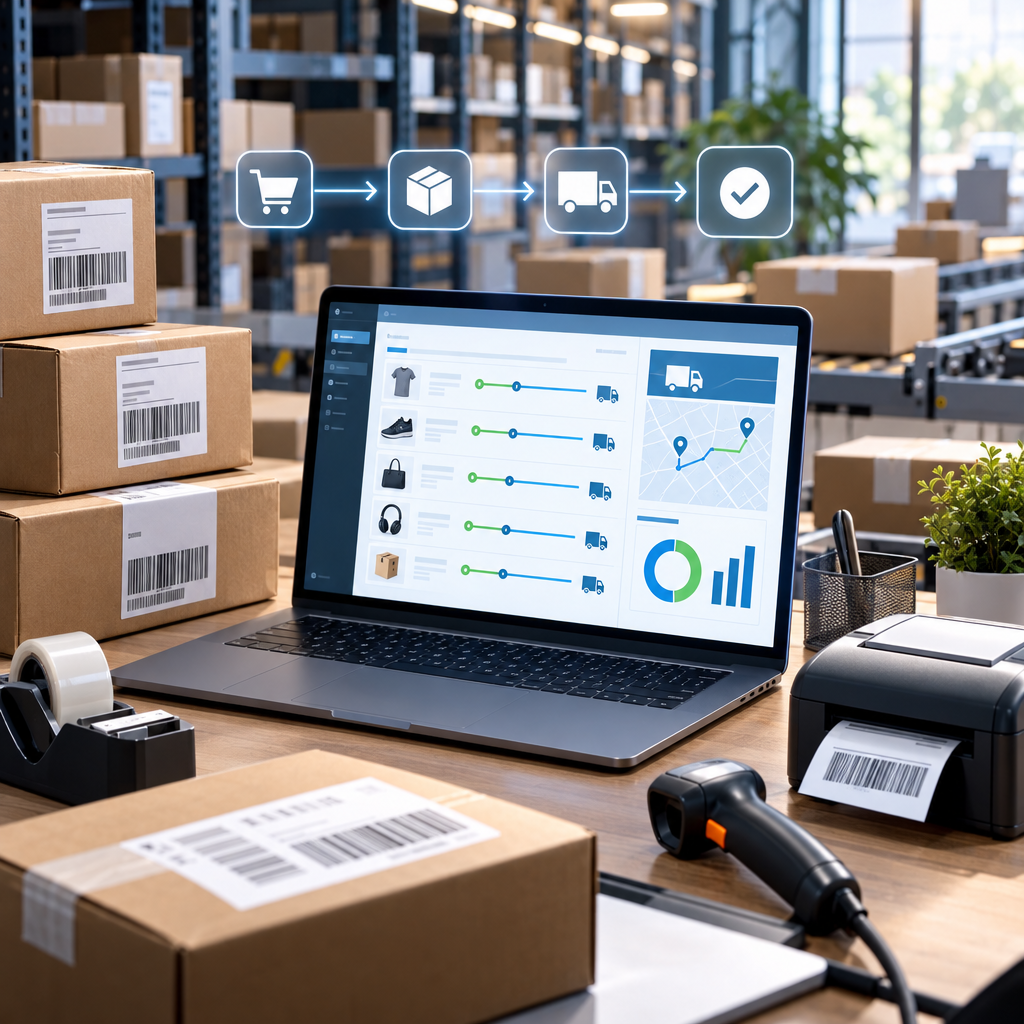
The good news? It doesn't have to be this way. The key isn't to work harder, but smarter, by truly leveraging tracking numbers beyond just a basic shipping label. When managed effectively, tracking numbers become a central part of an efficient, customer-friendly shipping operation, freeing you from endless manual updates and repetitive buyer questions. This is exactly where ZeeTrackNumbers comes in, providing the practical solutions you need.
This guide will walk you through practical strategies to optimize your shipping workflow, turning tracking number management into a streamlined asset for your online store, whether you're on eBay, dropshipping, or running your own e-commerce site.
The Foundation: Why Tracking Numbers are Crucial for Online Sellers
At first glance, a tracking number might seem like a simple string of digits. But for online sellers, it's far more than just a receipt for postage. It's the backbone of reliable order fulfillment and customer trust. A tracking number provides real-time visibility into your package's journey, from your warehouse to the customer's doorstep. This transparency is critical for several reasons:
- Builds Buyer Confidence: In today's e-commerce landscape, buyers expect to know exactly where their package is at all times. Providing a valid, up-to-date tracking number isn't just a courtesy; it's a fundamental expectation that builds trust and reduces anxiety.
- Minimizes "Where's My Order?" Inquiries: A clear tracking link empowers customers to self-serve, checking their package status whenever they want. This significantly cuts down on the constant stream of customer service emails and messages that can overwhelm small businesses.
- Dispute Resolution and Seller Protection: In cases of lost items or delivery disputes, a robust tracking history is your best defense. It provides concrete evidence of shipment and delivery, which is invaluable when dealing with platform claims or chargebacks.
- Operational Efficiency: Beyond customer interaction, tracking data helps you monitor carrier performance, identify potential bottlenecks in your shipping process, and even optimize your packaging or shipping methods over time.
Without effective tracking number management, you're essentially operating blind, leaving both your customers and your business vulnerable to uncertainty and inefficiency.
Integrating Tracking Numbers into Your Daily Shipping Operations
The real challenge for many online sellers isn't just having a tracking number, but seamlessly integrating its management into their daily workflow. Manual entry is a common culprit for errors and wasted time. The goal is to make the process as automated and error-free as possible, allowing you to focus on growing your business rather than wrestling with spreadsheets.
Here’s how to approach integration:
- Automate Generation: If your shipping software or platform can automatically generate tracking numbers when you create a label, use it. This eliminates manual typing and reduces human error from the start.
- Synchronize Across Platforms: Ensure your e-commerce platform (e.g., Shopify, eBay, WooCommerce) is automatically updated with tracking information as soon as it's available. Many shipping solutions offer direct integrations. If not, consider tools that bridge this gap.
- Centralized Management: For sellers using multiple platforms or shipping carriers, a centralized system for tracking all shipments can be a huge advantage. This is where solutions like ZeeTrackNumbers come into play, designed to help you organize and manage all your tracking data in one place, reducing manual work and improving your overall workflow.
- Batch Processing: For higher volumes, look for options to process multiple orders and update tracking numbers in batches rather than one by one. This dramatically speeds up the post-shipping administrative tasks.
✅
Important Action: Choose the Right Tools
To truly optimize, invest in tools that minimize manual intervention. Look for solutions that integrate with your existing sales channels and shipping carriers, offering automation for tracking number generation, updates, and customer communication. This is crucial for saving time and reducing errors.
Proactive Communication: Using Tracking Data to Keep Buyers Informed
One of the biggest time drains for online sellers is responding to customer inquiries about order status. By being proactive with your communication, you can drastically reduce these messages and elevate the customer experience. Tracking data is your most effective tool here.
Instead of waiting for customers to ask, send automated updates at key stages:
- Order Shipped Confirmation: Immediately after the item ships, send an email or message with the tracking number and a direct link to track the package.
- In-Transit Updates: Some advanced systems can send notifications when a package reaches a major hub or is out for delivery. This keeps customers engaged and informed without them having to constantly check.
- Delivery Confirmation: A quick notification once the package is delivered confirms successful receipt and adds a professional touch to your service.
- Exception Alerts: If there's a delay or an issue (e.g., "delivery exception"), proactively inform the customer and explain what steps you're taking, or what they might need to do. This turns a potential negative into an opportunity for excellent customer service.
Effective shipping communication isn't just about providing information; it's about managing expectations and building a positive brand image. It helps reduce buyer confusion around delivery and order status, leading to happier customers and fewer headaches for you.
Troubleshooting Common Tracking Number Workflow Issues
Even with the best systems, issues can arise. Knowing how to quickly troubleshoot common tracking number problems can save you significant time and prevent customer frustration.
Here are a few common scenarios and solutions:
- "Tracking Number Not Found/Invalid":
- Check for Typos: The most common issue. Double-check the number against your shipping label.
- Carrier Mismatch: Ensure you're tracking on the correct carrier's website. A USPS number won't work on FedEx.
- Delayed Activation: Sometimes it takes a few hours for a new tracking number to become active in the carrier's system. Advise customers to check back later.
- "Tracking Not Updating":
- Scan Delays: Packages sometimes miss scans, or updates are delayed, especially during peak seasons or with international shipments. This doesn't necessarily mean the package isn't moving.
- Contact Carrier: If tracking hasn't updated for several days beyond typical transit times, it might be time to contact the shipping carrier directly with the tracking number.
- "Delivered, But Customer Didn't Receive":
- Check Delivery Location: Advise customers to check with neighbors, in secure locations around their home, or with building management.
- Contact Carrier: The carrier can sometimes provide GPS coordinates of the delivery scan, or initiate an investigation.
- Insurance Claim: If all else fails, and the package is truly lost after delivery confirmation, you might need to file an insurance claim if applicable.
Having a clear, step-by-step process for these situations helps you respond quickly and confidently, maintaining customer trust even when things go awry.
💡
Practical Tip: Create a "Tracking FAQ" for Buyers
Reduce customer service load by creating a simple, visible FAQ page on your website or within your order confirmation emails. Address common tracking questions like "What if my tracking isn't updating?" or "What does 'delivered' mean if I don't see it?" This empowers buyers and saves you time.
Beyond the Basics: Advanced Tips for Efficient Tracking Management
Once you've mastered the fundamentals, there are further ways to leverage tracking numbers to gain a competitive edge and make your operations even smoother. This moves beyond simply managing individual shipments to using the collective data for strategic insights.
- Performance Analysis: Regularly review your tracking data to analyze carrier performance. Are certain carriers consistently faster or more reliable for specific routes or package types? This data can inform your shipping choices and potentially save costs or improve delivery times.
- Automated Reporting: Set up automated reports that highlight delivery rates, average transit times, or common delivery exceptions. This helps you spot trends and address systemic issues before they escalate.
- Integration with CRM/Customer Support: Link your tracking data directly into your customer relationship management (CRM) or support desk software. This gives your support team instant access to order status, allowing for faster, more informed responses to inquiries.
- Optimizing Shipping Rules: Use insights from tracking data to refine your shipping rules. For example, if you notice frequent delays for a certain region with one carrier, you might automatically switch to an alternative for future orders to that area.
By treating tracking numbers as a source of valuable business intelligence, you can continuously refine your shipping strategy, enhance customer satisfaction, and reduce the manual effort involved in daily operations. This is precisely the kind of practical, clear solution that ZeeTrackNumbers aims to provide, helping online sellers work in a more organized and efficient way.
Key Takeaways for an Optimized Shipping Workflow
Automate Tracking
Minimize manual entry and errors by automating tracking number generation and platform updates.
Proactive Communication
Use tracking data to send timely updates, reducing inquiries and improving customer satisfaction.
Leverage Data for Insights
Analyze tracking data to optimize carrier choices, identify bottlenecks, and refine your overall shipping strategy.
Key takeaways
1The Foundation: Why Tracking Numbers are Crucial for Online Sellers
At first glance, a tracking number might seem like a simple string of digits. But for online sellers, it's far more than just a receipt for postage…
2Integrating Tracking Numbers into Your Daily Shipping Operations
The real challenge for many online sellers isn't just having a tracking number, but seamlessly integrating its management into their daily workflow…
3Proactive Communication: Using Tracking Data to Keep Buyers Informed
One of the biggest time drains for online sellers is responding to customer inquiries about order status. By being proactive with your communicatio…
Frequently asked questions
Frequently Asked Questions About Shipping Workflow and Tracking Numbers
How should sellers handle tracking numbers effectively?
To handle tracking numbers effectively, focus on automation. This means automatically generating tracking numbers and integrating them with your sales platforms. Centralize your tracking data, use batch processing for updates, and leverage tools that streamline the entire workflow. This approach minimizes manual work, reduces errors, and ensures consistency across all your orders.
Why do buyers frequently ask about order status?
Buyers often ask about order status due to a lack of transparency or clear communication. They want reassurance that their purchase is on its way and to know when to expect it. Proactive communication with automated tracking updates can significantly reduce these inquiries by keeping buyers informed at every stage of the shipping process.
Will optimizing my tracking number workflow truly save me time?
Absolutely. The biggest time savings come from reducing manual data entry, automating customer communication, and minimizing time spent on troubleshooting. By setting up efficient systems, you free up hours each week that would otherwise be spent on repetitive tasks, allowing you to focus on strategic business growth rather than operational busywork.
What do I need to start optimizing my shipping workflow with tracking numbers?
To start, you need access to your e-commerce platform's API or integration options, your shipping carrier accounts, and a willingness to explore automation tools. Many sellers begin by identifying their biggest manual pain points in the current process and then seek out solutions that specifically address those bottlenecks, such as a centralized tracking management system like ZeeTrackNumbers.
